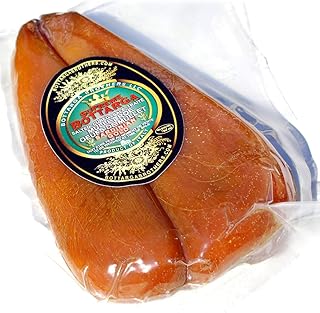
Often referred to as "Sardinian Gold," Bottarga is one of Italy's most cherished and ancient delicacies. This salted, cured fish roe, with its intense umami flavor and rich history, has been elevating dishes in Mediterranean cuisine for centuries. While its origins are humble, born from the need to preserve the bounty of the sea, today it is a sought-after gourmet ingredient that can transform a simple pasta into a luxurious meal.
What Exactly is Bottarga?
At its core, Bottarga is the roe sac of fish, primarily grey mullet (Bottarga di Muggine) or bluefin tuna, that has been salted, pressed, and air-dried. The process results in a hard, amber-colored block that can be grated or shaved over food. The flavor is profoundly savory, briny, and complex, with a lingering taste of the sea. It's often described as the Mediterranean's answer to caviar, though its uses are more as a seasoning or condiment than a standalone item.
The Two Kings: Mullet vs. Tuna Bottarga
The most common and traditional type comes from the grey mullet, particularly around the Cabras lagoon in Sardinia. Products like the Bottarga Di Muggine from L'Oro di Cabras represent the pinnacle of this style, offering a balanced, nutty, and less fishy flavor. On the other hand, tuna bottarga, such as the Sicilian Grated Bluefin Tuna Bottarga, tends to be stronger, more pungent, and slightly sweeter, a specialty of Sicilian tradition.
Why is Sardinian Bottarga So Special?
Sardinia's unique coastal environment, with its pristine waters and specific salinity, is considered the ideal birthplace for the finest Bottarga. The artisanal methods passed down through generations ensure a product of exceptional quality. Brands like "Sardinian Gold" have become synonymous with this excellence. Whether you choose the Authentic Sardinian Bottarga/Kosher - Approx. 3.5oz or the larger 5.0oz version, you are getting a piece of Sardinian culinary heritage. The kosher certification also makes this gourmet ingredient accessible to a wider audience seeking high-quality, traditional food.
Whole vs. Grated: Choosing Your Format
Bottarga is available in two main forms, each with its advantages. The whole roe sac, like the Smeralda Italian Whole Bottarga, is prized by purists. It allows you to grate it fresh over a dish, releasing its maximum aroma and flavor. It's a beautiful centerpiece for any gourmet pantry. For convenience and ease of use, pre-grated bottarga is a fantastic option. Jars like Sardinian Grated Bottarga (50 grams) or Le Mareviglie Grated Bottarga are perfect for quickly finishing pasta, salads, or eggs without needing a grater.
How to Use Bottarga in Your Kitchen
The beauty of Bottarga lies in its versatility. It should never be cooked, as heat diminishes its delicate flavor. Instead, it's always used as a final garnish. Here are classic ways to enjoy it:
Pasta: This is the most iconic pairing. Grate bottarga over a simple spaghetti with olive oil, garlic, and chili flakes (Spaghetti alla Bottarga). The heat of the pasta gently melts the roe, creating a creamy, savory sauce.
Eggs: A few shavings over scrambled eggs, a frittata, or even deviled eggs add an incredible depth of flavor.
Salads: Grate it over a fresh tomato and onion salad, or elevate a simple green salad.
Crostoni & Bruschetta: Spread ripe avocado or a creamy cheese on toasted bread and top with thin slices of bottarga.
Seafood: It pairs wonderfully with other seafood, like grilled shrimp or seared scallops, amplifying their natural sweetness.
For more detailed recipes and pairing ideas, check out our comprehensive Ultimate Guide to Italy's Salted Fish Roe Delicacy.
Selecting and Storing Your Gourmet Treasure
When buying whole bottarga, look for a firm, dry texture with a uniform color. It should have a pleasant marine aroma, not an overly fishy smell. Once opened, wrap it tightly in parchment paper and then in foil, storing it in the refrigerator. Properly stored, it can last for months. Grated bottarga should be kept in its sealed jar in a cool, dark place and used within a few weeks of opening for optimal flavor.
From the traditional Sanniti Bottarga Cured Mullet Roe to the convenient grated formats, incorporating this umami flavor powerhouse into your cooking is an adventure in taste. It's more than just a pasta topping; it's a secret weapon for adding a complex, savory punch to countless dishes. Explore the different varieties and discover why this Sardinian delicacy has earned its nickname as the gold of the sea.